


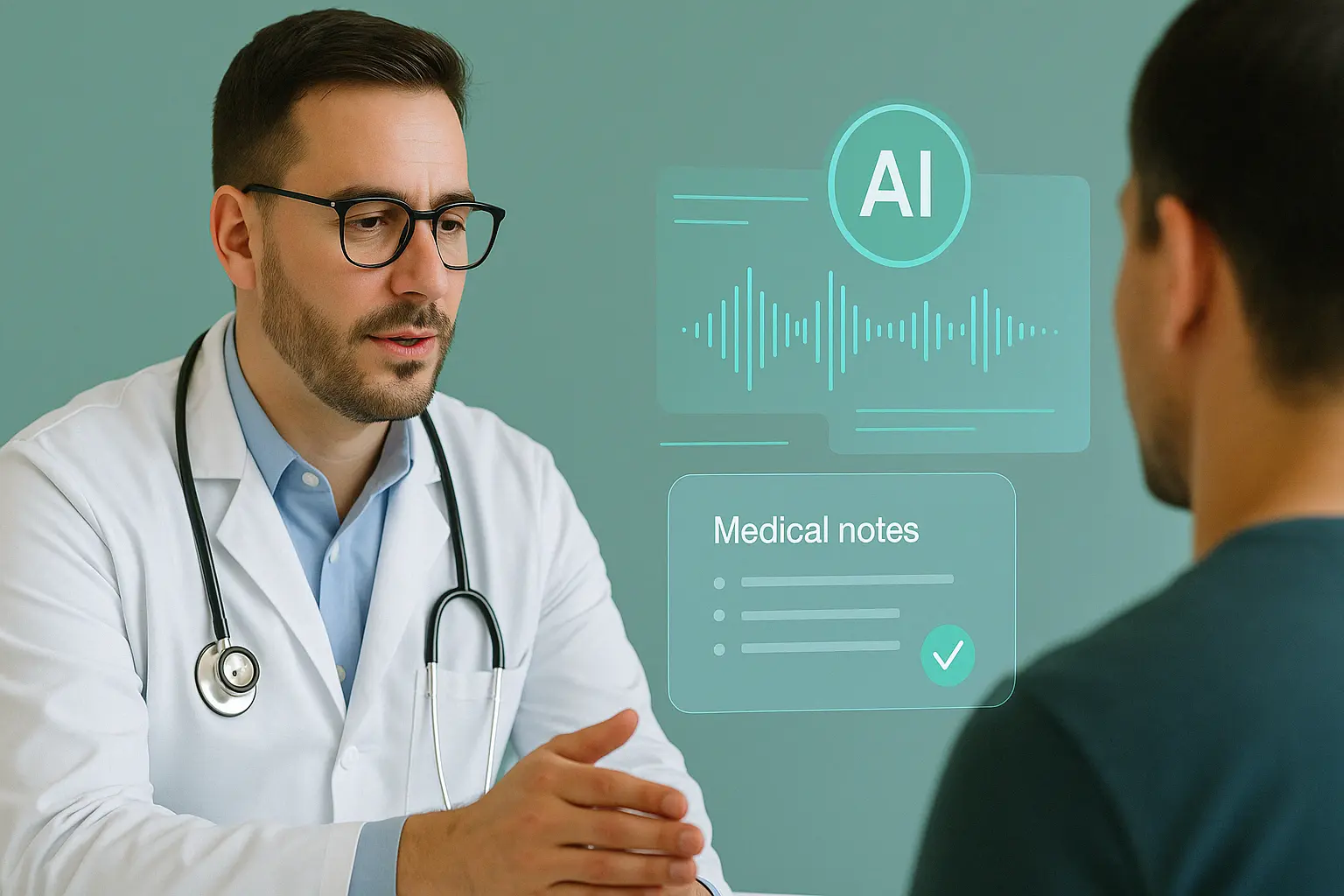
In today’s fast-paced healthcare environment, clinicians are expected to balance patient care with extensive documentation. This growing administrative burden often leads to burnout and reduced efficiency. Fortunately, innovative technologies are stepping in to simplify workflows and restore focus where it matters most—on patients. One such breakthrough is voice to medical notes, a solution designed to streamline how healthcare professionals capture and manage clinical information.
How Voice to Medical Notes Is Changing Clinical Documentation
Healthcare providers have long relied on manual note-taking or traditional typing methods, both of which can be time-consuming and prone to errors. With voice to medical notes, clinicians can now dictate patient interactions in real time, allowing advanced systems to convert speech into structured, accurate medical documentation.
This technology uses sophisticated speech recognition combined with medical language processing. It understands complex terminology, accents, and conversational nuances, ensuring that the final notes are both precise and compliant with healthcare standards. As a result, doctors can maintain eye contact with patients, fostering better communication and trust.
Another key advantage is speed. What once took hours of typing can now be completed in minutes. This efficiency allows practitioners to see more patients without compromising the quality of care. Additionally, many platforms integrate seamlessly with electronic health record (EHR) systems, reducing the need for duplicate data entry.
Key Benefits That Make This Technology Essential
Adopting voice-driven documentation offers numerous benefits that extend beyond convenience. It transforms the overall healthcare experience for both providers and patients.
- Improved Efficiency: Doctors can complete notes faster, freeing up valuable time for patient care and reducing after-hours work.
Beyond efficiency, accuracy is another major benefit. Advanced systems are trained on vast medical datasets, enabling them to capture even the most intricate clinical details. This reduces the risk of misinterpretation and enhances the reliability of patient records.
Moreover, clinicians often report reduced stress levels after switching to voice-based documentation. By eliminating the constant need to type or write notes, they can focus more on listening and engaging with patients, leading to improved satisfaction on both sides.
Why Voice to Medical Notes Enhances Patient Experience
When healthcare providers are less distracted by screens or paperwork, patients naturally feel more valued and heard. Voice to medical notes allows clinicians to maintain a more personal connection during consultations, which can significantly improve patient trust and communication.
This technology also supports more comprehensive documentation. Since providers can speak naturally without worrying about typing speed, they are more likely to include detailed observations. These richer notes contribute to better diagnosis, treatment planning, and continuity of care.
Additionally, many systems offer multilingual support, making it easier to document interactions in diverse healthcare settings. This inclusivity ensures that language barriers do not compromise the quality of medical records.

Challenges and Considerations
While the benefits are clear, implementing voice-based documentation does come with challenges. Accuracy can vary depending on background noise, speech clarity, and system quality. Therefore, choosing a reliable solution is crucial.
Privacy and data security are also important considerations. Healthcare providers must ensure that any technology they adopt complies with regulations such as HIPAA. Fortunately, most modern platforms are designed with robust security features to protect sensitive patient information.
Training is another factor to consider. Although these systems are user-friendly, clinicians may need time to adapt and fully utilize their capabilities. Proper onboarding and support can make this transition smoother.
Conclusion
The future of healthcare documentation is undeniably evolving, and voice to medical notes is at the forefront of this transformation. By reducing administrative burdens, improving accuracy, and enhancing patient interactions, this technology is reshaping how clinicians work.
As adoption continues to grow, healthcare providers who embrace these solutions will not only improve their efficiency but also deliver a more compassionate and patient-centered experience. In a field where every second counts, smarter documentation tools are proving to be not just helpful—but essential.
Leave a Reply