


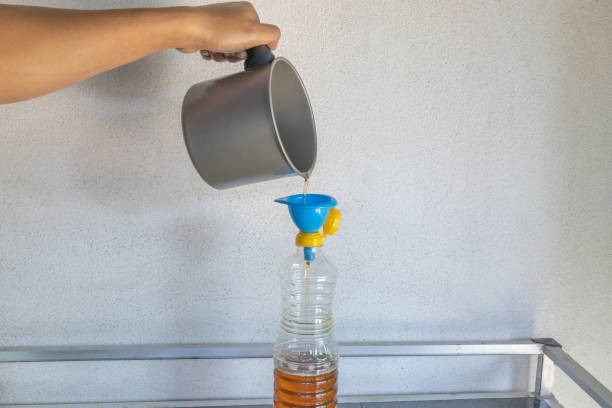
Cooking with oil is part of everyday life, but disposing of it responsibly is often overlooked. Many people still pour leftover oil down the sink or throw it into the trash without realizing the environmental impact. Fortunately, cooking oil recycling provides a practical and eco-friendly alternative. When used oil is collected in a proper used cooking oil container, it can be recycled into valuable products instead of becoming harmful waste. Whether you cook occasionally at home or manage a busy commercial kitchen, adopting better recycling habits can make a noticeable difference for your community and the environment.
Why Cooking Oil Recycling Should Be a Daily Practice
Making cooking oil recycling part of your routine is one of the easiest ways to reduce household waste. Used oil is far from useless because it can be processed into biodiesel, industrial lubricants, and other sustainable products. Keeping it inside a clean used cooking oil container helps preserve its quality until it reaches a recycling facility.
Recycling also prevents grease from entering drainage systems where it can harden and cause expensive plumbing repairs. Every recycled container helps protect local water infrastructure while reducing unnecessary environmental pollution.
Common Disposal Mistakes to Avoid
Many disposal problems happen simply because people don’t know the correct method. Pouring hot oil directly into the sink, mixing it with food scraps, or leaving it in open containers can create unnecessary issues. A secure used cooking oil container provides a safe place to store oil until recycling day.
Another common mistake is disposing of recyclable oil in household garbage. This wastes valuable resources that could otherwise support cooking oil recycling programs and renewable energy production.
Selecting a Reliable Used Cooking Oil Container
Choosing the right used cooking oil container makes recycling safer and more convenient. Look for containers made from durable materials with tightly fitting lids that prevent spills and odors.
A reusable container is often the best choice because it can be emptied, cleaned, and used again. Proper storage encourages regular cooking oil recycling while keeping kitchens cleaner and more organized.

Cooking Oil Recycling Tips for Better Storage
Following a few practical habits makes cooking oil recycling easier for everyone.
- Let the oil cool completely before transferring it into a used cooking oil container.
- Keep the container tightly sealed after every use.
- Store the container in a cool, dry place away from direct sunlight.
- Take the filled container to an approved cooking oil recycling collection center.
These simple steps improve recycling quality and reduce the chance of spills or contamination.
Environmental Advantages of Recycling Used Oil
The benefits of cooking oil recycling extend well beyond individual homes. Recycled oil helps reduce landfill waste, supports renewable fuel production, and decreases dependence on virgin raw materials. Every gallon that gets recycled contributes to a more sustainable future.
Using a dedicated used cooking oil container also protects nearby soil and waterways from accidental leaks. Responsible storage and disposal work together to minimize environmental damage while conserving natural resources.
Helping Businesses Build Greener Operations
Restaurants, cafés, and catering businesses often generate significant quantities of used oil. Establishing an organized cooking oil recycling system helps maintain cleaner workspaces while demonstrating environmental responsibility.
Employees should be trained to transfer cooled oil into a designated used cooking oil container and avoid mixing it with water or food waste. Regular recycling pickups ensure safe storage and efficient waste management.
Encouraging Recycling at Home
Families can make cooking oil recycling an everyday habit with very little effort. Keeping a labeled used cooking oil container near the cooking area serves as a simple reminder to dispose of oil properly after every meal.
Parents can also teach children why recycling matters, helping create environmentally responsible habits that continue into adulthood. Small daily actions often produce meaningful long-term results.
Conclusion
Cooking oil recycling is an easy yet powerful way to reduce waste and support environmental sustainability. Proper storage in a dependable used cooking oil container keeps kitchens clean while preparing oil for responsible recycling. Whether you’re cooking for your family or operating a commercial kitchen, choosing to recycle used oil protects plumbing systems, conserves resources, and contributes to a cleaner future. Every recycled container is a small investment in a healthier planet.
Leave a Reply