


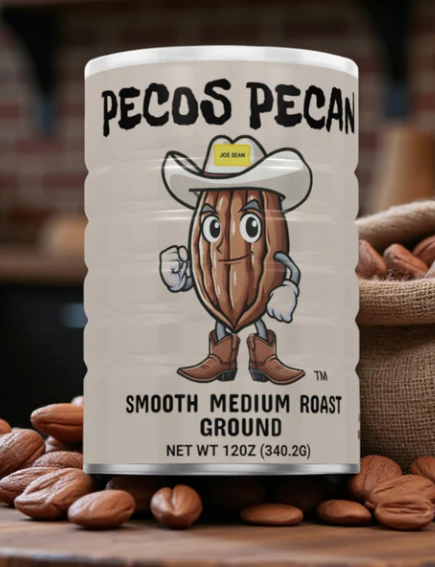
Balance is not a concept that gets celebrated enough in business. Entrepreneurs are drawn to extremes: disruptive innovation, radical differentiation, bold positioning. But sustainable, profitable businesses often live in the considered middle, the place where quality meets accessibility and complexity meets clarity. Medium roast coffees exist precisely at this intersection, and the business lessons they contain are more nuanced and valuable than they might initially appear. Balance, it turns out, is its own form of expertise.
Finding the Sweet Spot Between Complexity and Accessibility
Good medium roast coffees walk a genuinely difficult line. They need to be complex enough to reward the attention of an enthusiast while remaining approachable for someone who simply wants a reliably enjoyable morning cup. Achieving that balance requires extraordinary control over variables that are largely invisible to the end consumer: roast time, temperature curves, airflow, bean density, and moisture content. Businesses face an analogous challenge when designing products for diverse customer segments. A product that requires a tutorial before it delivers value will lose casual users. A product so simplified that it lacks depth will fail to retain sophisticated ones. The goal is an experience that rewards both, a feat easier to describe than to execute.
Pricing Strategies That Reflect Quality Without Pricing Out Volume Customers
Medium-positioned coffee brands often sit in a price range that requires careful justification. Too low and quality perceptions suffer. Too high and volume customers drift toward supermarket alternatives. The brands that navigate this well do so by making quality visible rather than assumed. Detailed product descriptions, roast dates, origin information, and sampling programs all serve to justify pricing by making quality tangible rather than abstract. When a customer can connect the price to specific, verifiable quality markers, the value proposition becomes much easier to accept. Brands like medium roast coffees specialists at First and Main Coffee Co. achieve this balance through transparent product communication and consistently excellent quality at every price point in their range.
Operations Management Lessons From High-Volume Quality Coffee Production
Running a successful medium roast coffee operation at meaningful scale is an operations management challenge as much as a culinary one. Batch consistency across different roasting sessions, green bean lot management, quality control sampling protocols, and packaging freshness standards all require rigorous systematic attention. For entrepreneurs in any sector dealing with physical products, these operational disciplines translate directly. The investment in documented process, calibrated equipment, and trained quality control personnel is what separates brands that maintain quality as they scale from those that quietly slide toward mediocrity.

The Expanding Role of Data in Product Quality Management
Modern coffee operations increasingly use roasting software that logs and analyzes every data point from temperature rise rates to color meter readings during the roasting process. This data-driven approach allows roasters to replicate exceptional batches with precision and identify variables that consistently predict quality outcomes. Small businesses across industries are beginning to apply similar data discipline to their production and quality processes, borrowing frameworks from craft food production to improve consistency at scale.
Conclusion
The thoughtful craft behind medium roast coffees is a reminder that balance in business is not passive. It is an active, disciplined achievement. Finding the position that serves your broadest audience without compromising the quality that earns their trust is demanding, important work. The companies that do it well tend to be the ones still thriving a decade later.
Leave a Reply